

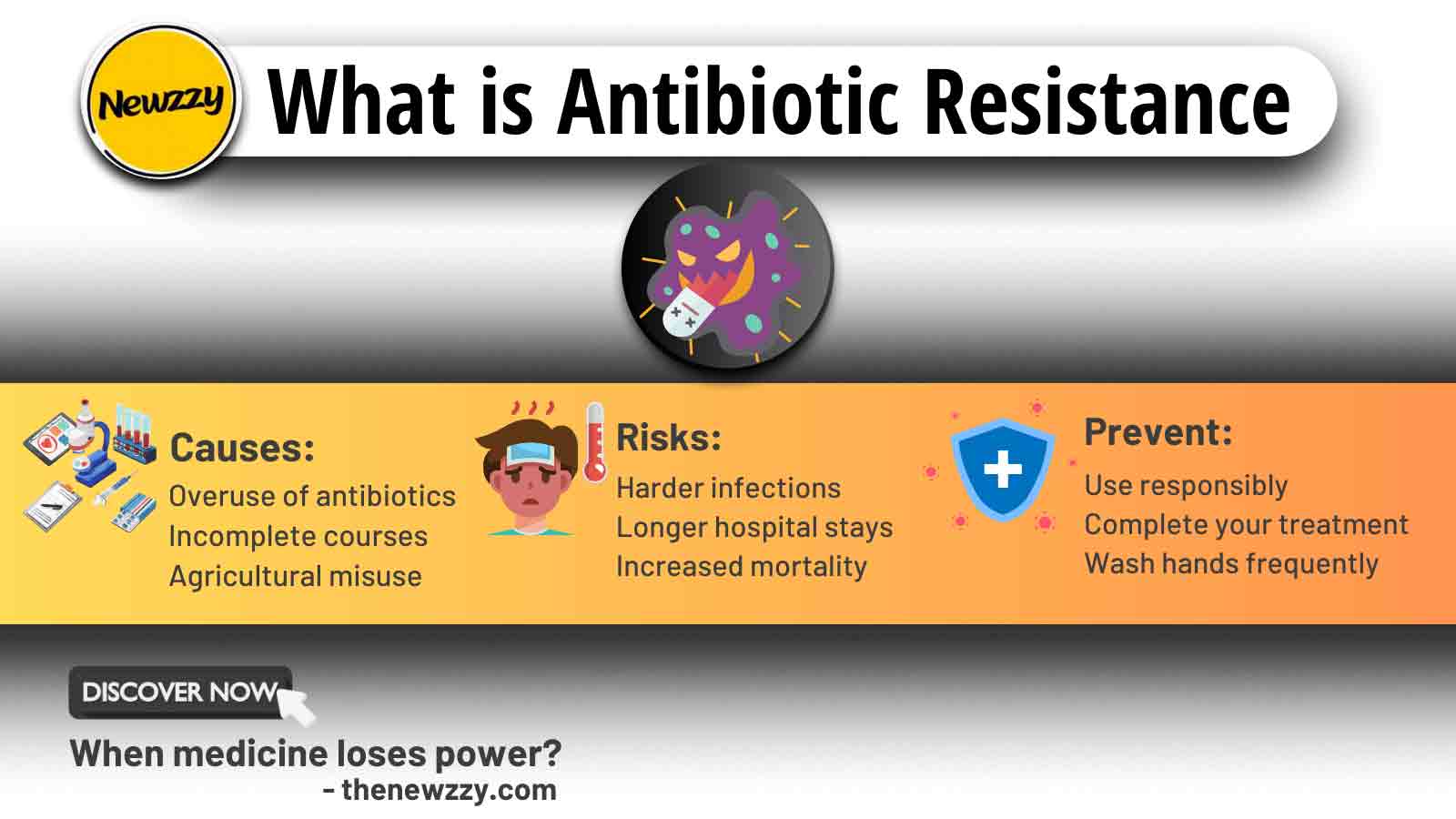
Discover about Antibiotic Resistance: The direct death rates in 2019 were 1.27 million worldwide due to antibiotic resistant infections. The infections also helped to cause almost 5 million total deaths in the same year. Care to consider a time when a cut on the knee or even a regular dental cleaning procedure ends in a terminal infection. This is the situation that explains the increased reality of antibiotic resistance.
Read About: GLP-1 Weight Loss Drugs Safety Analysis & Shortage Report
The problem of antibiotic resistance arises when the bacteria acquire the capability to withstand the drugs that are meant to kill them. This is a tremendous menace to contemporary medicine. It alters the approach used by physicians in dealing with anything to the simple ear infection all the way to the complicated surgery. In fact, you must know that it is the bacteria that grow resistant. Your body does not change, but the foreigners inside you get to know how to disregard your medicine. This change complicates the management of ordinary diseases and predisposes all people to serious complications.
What is Antibiotic Resistance?
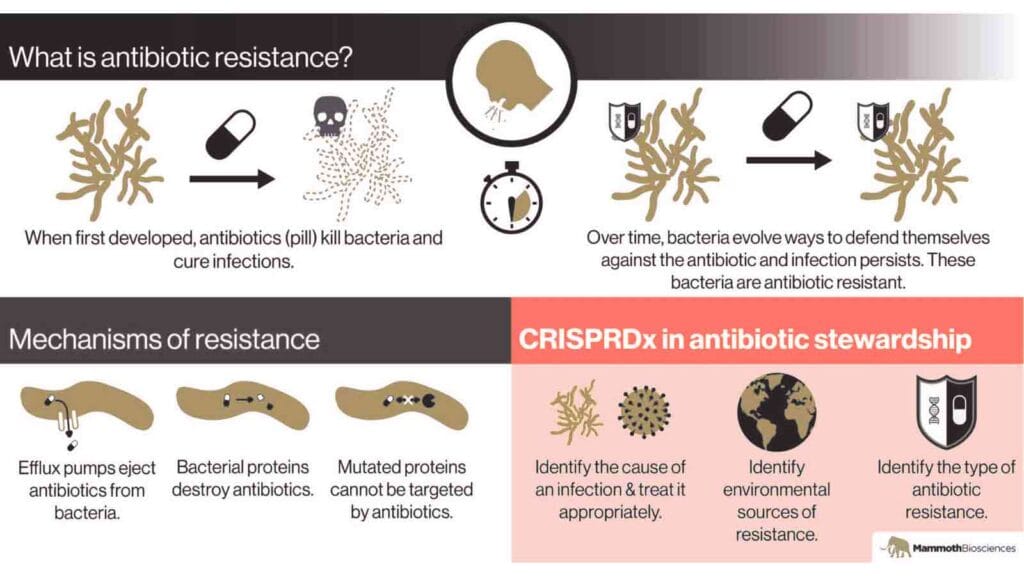
Antibiotic resistance is a natural evolution that has happened faster due to human intervention. Bacteria are microscopic and fast multiplying organisms. Random genetic mutations take place during reproduction. Other mutations confer the bacteria with some kind of shield against particular drugs. Taking an antibiotic will kill the vulnerable bacteria and leave the armorated ones alive. This leads to the multiplication of these survivors forming a complete colony of resistant germs.
Read About: Protein Powder Contamination List | 70 Percent of Brands Have Risking Levels of Lead
How Do Bacteria Become Resistant To Antibiotics
It is important to differentiate words in order to be clear. Bacteria are specific targets of antibiotics. The category of antimicrobials is more general covering the drugs of virus, fungi, and parasites. When mentioning the superbugs we are talking about the strains of bacteria which have developed resistance to different kinds of antibiotics.
This is a process that is all microorganism centered. One of the myths states that the human organism becomes accustomed to antibiotics. Factually, the bacteria develop strategies of overcoming the mechanism of action of the drug. You might have taken dozens of antibiotics, or none whatsoever, but even in that scenario, a resistant superbug is likely to infect you and demonstrate a tough and resilient response.
Main Causes of Antibiotic Resistance
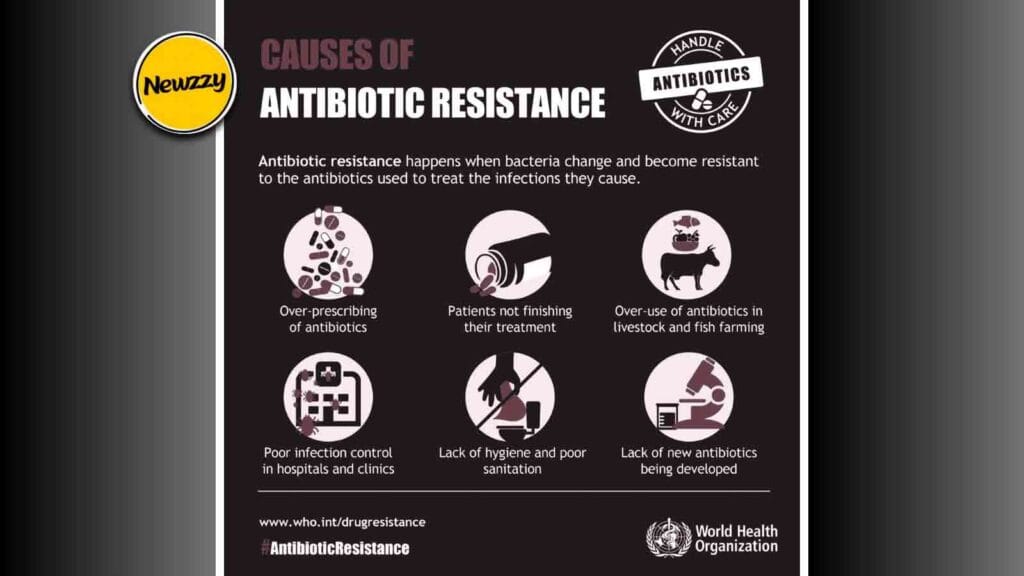
The major cause of this biological crisis is the human behavior. The abuse and excessive use of antibiotics in the clinical facilities give the bacteria ample time to learn and evolve.
Causes of Antibiotic Resistance in Human
- Misuse Viral: The patient will frequently demand antibiotics to treat the common cold or the flu. These illnesses are viral. Viruses are insensitive to antibiotics.
- Unfinished Courses: Patients often get rid of their medication after they are better. This causes the strongest bacteria to survive and reproduce stronger by mutating.
- Untreated Access: In most parts of the world, there is over-the-counter availability of antibiotics, which results in self-treatment and wrong dosages.
Use in Agriculture, Animal, Hospital Settings and Invasive Procedures
The agricultural sector is a major contributor to this vice. The farmers tend to administer antibiotics to their livestock that are healthy to accelerate growth or even prevent disease in a congested setting. These antimicrobial resistant bacteria subsequently creep into the food chain of human beings by consuming meat or runoff water with contamination.
Hospitals are also breeding grounds. The concentrated number of sick people and repeated invasive medicine such as catheters present avenues of spreading the resistant strains. It is true that evolution occurs naturally but the world we live in today is very interdependent and the industrialization we engage in has put this to the extreme.
Why Would Antibiotic Resistance Be Dangerous?
The effects of resistant bacteria are much farther reaching than the personal disease. It is an immense change in world health measures. Assuming that the current trends go on, the specialists predict the deaths of 10 million a year as a result of antibiotic resistance by 2050.
The financial implication is as well mind-blowing. By mid-century it is estimated that the world will have to pay an extra trillion of funding on the cost of healthcare because of the increased stay of patients in hospitals and the use of further expensive form of treatment.
In addition to the statistics, resisting has been threatening the basis of the contemporary medical practices:
- Surgery With Complexities: Joint replacement and heart surgical operations are fatal without good prophylactic antibiotics.
- Treatment of cancer: chemotherapy takes the immunity of patients, and now they are absolutely reliant on antibiotics to resist trivial infections.
- Organ Transplants: This is the modern transplant medicine which is dependent on intensive immunosuppression and effective control of infection.
- Childbirth: The safety of C-sections and maternal infections treatment is determined by working medications.
When you use an antibiotic, this infiltrates the whole internal ecosystem. It eliminates useful intestinal microbes that can give resistant forms months in your gastrointestinal system.
The Most Alarming Drug Resistant Bacteria
Various priority pathogens are presently posing some threats to the global healthcare systems. These bacteria are hard to treat and in most cases involve using toxic, last-resort drugs.
| Pathogen | Common Impact |
| MRSA | Causes severe skin, blood, and lung infections; resistant to methicillin. |
| C. diff | Leads to life-threatening colon inflammation and severe diarrhea. |
| Drug-resistant E. coli | A major cause of urinary tract and bloodstream infections. |
| MDR-TB28 | A form of tuberculosis that does not respond to the two most powerful first-line drugs.29 |
They are also ESKAPE pathogens (Enterococcus faecium, Staphylococcus aureus, Klebsiella pneumoniae, Acinetobacter baumannii, Pseudomonas aeruginosa, and Enterobacter), followed by the medical community. They are the primary cause of hospital-acquired infections, and often they are resistant to common antibacterial drugs.
What You Can Do to Prevent Antibiotic Resistance
The best weapon in reducing the rate of resistance is individual actions. You can save the effectiveness of these life-saving drugs by making decisions on a daily basis.
Action Plan for Patients to Combat Antibiotic Resistance
- Act under the Professional Instructions: Take antibiotics only in the presence of a certified medical worker who states that there is a bacterial infection.
- Take the full Dose: Take all the time of your medicine even when the symptoms disappear.
- Disentangle Safely: Do not store the used pills in the case of a future ailment or in a storage facility with others.
- Prevention must be of the first importance: Wash your hands with soap and water as much as you can. Keep up to date with all the recommended vaccinations in order to prevent the infections right at the beginning.
- Food Safety: To prevent food resistant bacteria, thoroughly cook meat, and wash food.
How do healthcare providers treat antibiotic-resistant bacteria?
Antibiotic stewardship programs are adopted by medical professionals. These programs help in providing the appropriate drug at the appropriate dose and the appropriate period. Fast diagnostic test assists physicians in differentiation of viral and bacterial infection within minutes. The transmission of superbugs among the patients in clinics is reduced by strict measures in preventing infection.
What To Do When Antibiotic Resistance Develops
Once an infection becomes resistant, it becomes a complicated riddle to treatment. Physicians have to make use of second-line or last resort antibiotics. Such drugs are usually very costly and not available in most regions across the world.
The alternative drugs often have increased risk of serious side effects such as damage of kidneys or liver. In the worst of all, there is no useful treatment. The patient has no option but to depend on his or her own defense mechanisms to commit a battle that he or she would not have won. This fact implies the reason why prevention is our most effective approach. In the meantime, we have to maintain the instruments at our disposal even as scientists struggle to find new categories of medicines.
Summary From Newzzy
Antibiotic resistance is like having a silent epidemic. It requires urgent and long-term attention of all tiers of society. Present day medical miracles are dependent on the continued efficacy of these drugs. We save ourselves and future generations by becoming responsible and stewards of antibiotics.
It is possible to get involved in the change today. Talk with your doctor about the issue of antibiotics when you see him/her next. Exercise high standards of hygiene in order to prevent the transmission of germs. There are the ways out, and we can save the strength of modern medicine in case we are ready to use the force reasonably and collaborate on the global level.
